
If you’re searching for information about check engine light lemon law, you’re probably dealing with a frustrating situation: your check engine light keeps coming back despite multiple trips to the dealership. While a warning light alone doesn’t automatically mean your vehicle qualifies under California Lemon Law, it may indicate an underlying problem that hasn’t been successfully repaired.

A check engine light can be triggered by many different issues, including engine, transmission, emissions, fuel system, or electrical problems. Some are relatively minor, while others may require extensive diagnosis and repeated repairs.
If you’ve had the same issue repaired multiple times, your engine light is still on after repair, or the check engine light comes back after reset, you’re not alone. Many California drivers experience recurring warning lights without knowing what they mean or what options may be available.
In this article, we’ll explain why a check engine light may keep returning, when it could become more than a routine repair issue, and how California Lemon Law may apply in certain situations.
Can a Check Engine Light Qualify Under California Lemon Law?
Yes, it can—but the warning light itself isn’t what determines whether your vehicle qualifies.
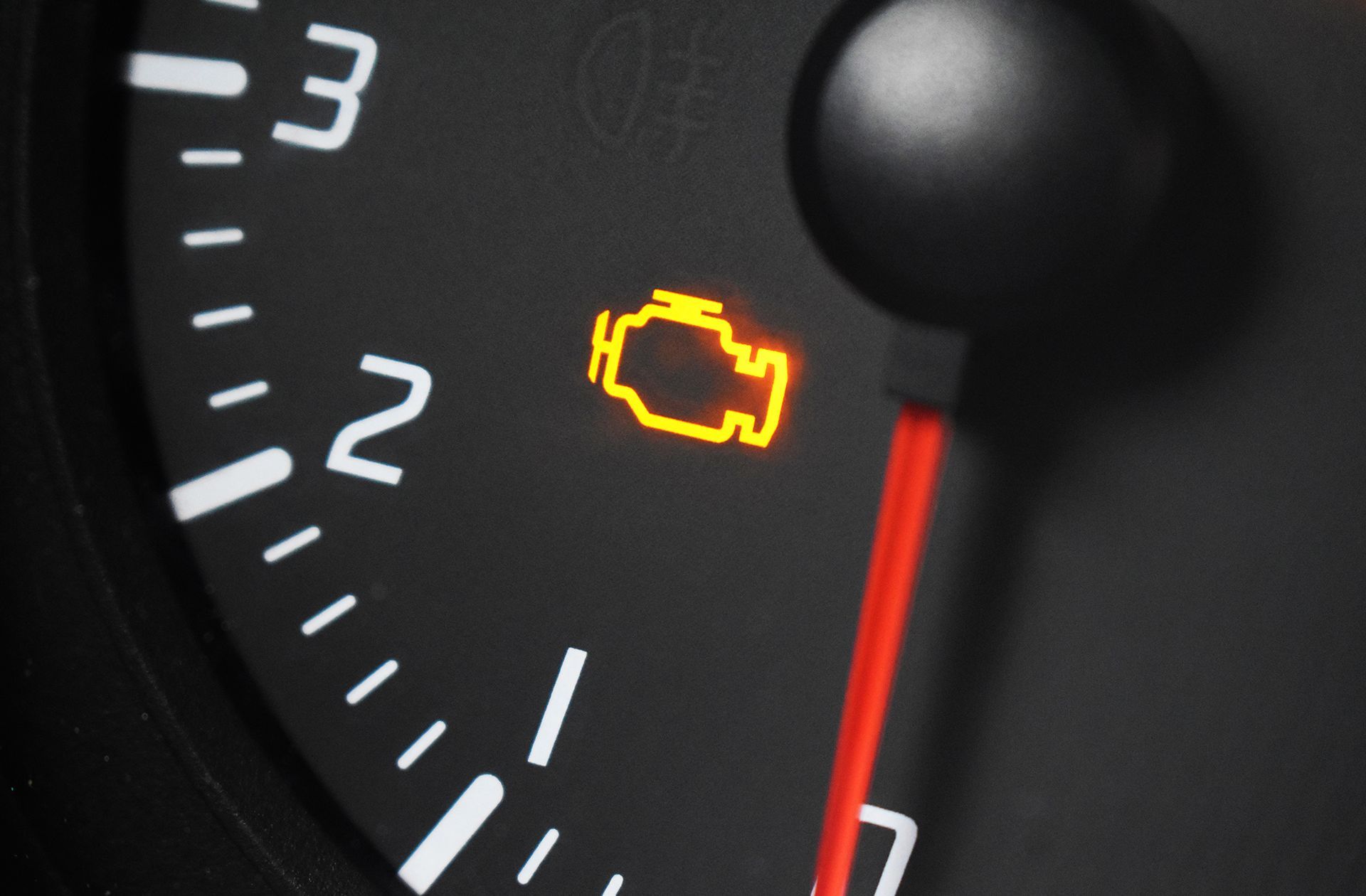
California Lemon Law focuses on the underlying warranty-covered defect rather than the dashboard warning light. In other words, the question isn’t whether the check engine light came on—it’s why it came on and whether the manufacturer has been able to successfully repair the problem.
California Lemon Law generally applies when a vehicle has a warranty-covered defect that substantially impairs its use, value, or safety, and the manufacturer has been given a reasonable opportunity to repair it.
Examples of defects that may trigger a recurring check engine light include engine misfires, fuel system failures, transmission-related issues, emissions system defects, or electrical problems. Whether a vehicle qualifies depends on the specific facts of each case, including the nature of the defect and the repair history.
Why Does the Check Engine Light Keep Coming Back?
A recurring check engine light usually means the underlying issue hasn’t been fully resolved or another related problem has developed. Modern vehicles rely on sophisticated computers, sensors, and control modules, so diagnosing intermittent problems can sometimes require multiple inspections.
Common causes include:
• Engine misfires
• Ignition coil failures
• Fuel injector problems
• Oxygen sensor failures
• Catalytic converter issues
• EVAP system leaks
• Transmission-related fault codes
• Electrical wiring issues
• Software or control module problems
Although some repairs permanently resolve the issue, others may require additional diagnosis if the warning light continues to return.
When Can a Recurring Check Engine Light Become a California Lemon Law Issue?
Not every recurring warning light results in a California Lemon Law claim. However, if the same warranty-covered problem continues despite repeated repair attempts, it may be time to take a closer look at your vehicle’s repair history.
Some situations that may warrant further review include:
- The check engine light keeps coming back after repairs.
- The dealership has attempted the same repair multiple times.
- Your vehicle stalls, loses power, or hesitates while driving.
- The dealership repeatedly states it “cannot duplicate the concern.”
- Your vehicle spends an extended period at the dealership for warranty repairs.
These factors do not automatically mean your vehicle qualifies under California Lemon Law, but they may indicate that the underlying defect has not been successfully repaired
A Recurring Check Engine Light Can Affect Any Make or Model
A recurring check engine light is not limited to one manufacturer or one type of vehicle. Drivers of sedans, SUVs, pickup trucks, hybrids, and electric vehicles may all experience recurring warning lights, depending on the underlying defect.

In some vehicles, the warning light may be related to emissions components. In others, it may involve the engine, transmission, fuel system, electrical wiring, or software. Because modern vehicles rely heavily on onboard computers, a single warning light can sometimes point to several possible causes.
This is one reason why documenting your symptoms and keeping copies of your repair orders can be helpful throughout the diagnostic process.
What Happens If Your Vehicle Qualifies Under California Lemon Law?
If a vehicle qualifies under California Lemon Law, the manufacturer may be required to provide a legal remedy. Depending on the circumstances, this may include repurchasing the vehicle or providing a cash-and-keep compensation.
Every claim is different, and the available remedies depend on the specific facts of the case and the applicable law. A California Lemon Law attorney can review your repair records and explain how the law may apply to your particular situation.
Frequently Asked Questions
Can a check engine light alone qualify a vehicle under California Lemon Law?
No. A check engine light alone does not automatically qualify a vehicle under California Lemon Law. The warning light is simply an indication that your vehicle’s onboard diagnostic system has detected a problem. While the issue may be relatively minor in some cases, it can also signal a more significant defect involving the engine, transmission, emissions system, fuel system, or another vehicle component.
California Lemon Law focuses on the underlying warranty-covered defect, not the dashboard warning light itself. To determine whether a vehicle may qualify, several factors are considered, including whether the defect substantially impairs the vehicle’s use, value, or safety, whether it occurred during the manufacturer’s warranty period, and whether the manufacturer or its authorized repair facility has been given a reasonable opportunity to repair the problem.
For example, if your check engine light repeatedly comes on because of an engine misfire, loss of power, or another recurring defect that continues despite multiple warranty repairs, the underlying issue—not the warning light itself—may be relevant when evaluating a potential Lemon Law claim. On the other hand, if the issue is diagnosed and successfully repaired during the first repair attempt, it is generally less likely to raise California Lemon Law concerns.
Because every vehicle and repair history is different, there is no single rule that applies to every situation. If your check engine light keeps returning despite warranty repairs, it may be worthwhile to have your repair records reviewed to determine whether California Lemon Law may apply.
My check engine light keeps coming back after repair. Does that mean my car is a lemon?
Not necessarily. If your check engine light keeps coming back after a repair, or your engine light is still on after repair, it does not automatically mean your vehicle qualifies as a lemon. In some cases, the dealership may have corrected one issue only to discover that another related problem exists. In other situations, the defect may be intermittent, making it difficult to diagnose during a single service visit.
However, if the check engine light comes back after reset or repeatedly returns despite multiple warranty repair attempts for the same or a related problem, it may indicate that the underlying defect has not been successfully repaired. California Lemon Law does not focus on the warning light itself—it focuses on whether a warranty-covered defect substantially impairs the vehicle’s use, value, or safety and whether the manufacturer has been given a reasonable opportunity to repair that defect.
If you’ve made multiple trips to the dealership for the same recurring issue, keep copies of your repair orders and any documentation related to the repairs. Your vehicle’s repair history may help determine whether California Lemon Law applies to your situation.
What if the dealership says they can’t duplicate the problem?
This is a common issue, especially when dealing with an intermittent or recurring engine light problem. In some cases, the check engine light may turn off before your service appointment or only appear under certain driving conditions, making it difficult for technicians to reproduce the concern during their inspection.
If the dealership says it “cannot duplicate the concern,” don’t assume that means the problem doesn’t exist. Continue monitoring your vehicle and return it for diagnosis if the check engine light keeps coming back or you experience symptoms such as stalling, loss of power, rough idling, hesitation, or unusual engine performance. Be sure to describe when the issue occurs, how often it happens, and any conditions that seem to trigger it.
It’s also important to keep copies of every repair order, even if the dealership was unable to identify or duplicate the problem. Those records may help establish a history of repeated repair attempts and documented complaints if the issue continues over time. If you’re unsure whether your recurring repairs may qualify under California Lemon Law, an experienced attorney can review your repair history and explain your legal options.
Is it safe to drive with a check engine light on?
It depends on why the check engine light is on. In many cases, a steady check engine light indicates that the vehicle has detected a problem that should be diagnosed as soon as reasonably possible. While the vehicle may still be drivable, continuing to drive without addressing the issue could allow the underlying problem to worsen or result in more costly repairs.
A flashing check engine light is generally considered more serious and may indicate an active engine misfire or another condition that could damage the catalytic converter or other engine components. If your check engine light begins flashing, you should consult your owner’s manual and have the vehicle inspected as soon as possible. Depending on the circumstances, it may be safest to limit driving until the issue has been diagnosed.
If your check engine light keeps coming back after repairs or is accompanied by symptoms such as stalling, loss of power, rough idling, unusual noises, or difficulty accelerating, it’s important to have the vehicle evaluated promptly. These symptoms may indicate an underlying defect that requires further diagnosis, especially if the problem continues despite warranty repairs.
How many repair attempts are required under California Lemon Law?
California Lemon Law does not establish one fixed number of repair attempts that automatically qualifies every vehicle as a lemon. Instead, the law generally looks at whether the manufacturer or its authorized repair facility has been given a reasonable number of opportunities to repair the same warranty-covered defect without successfully resolving the problem.
What is considered “reasonable” depends on the specific circumstances of each case. Factors that may be considered include the nature and severity of the defect, how the defect affects the vehicle’s use, value, or safety, the number of repair attempts, and the total amount of time the vehicle has been out of service for warranty repairs.
For example, a defect that creates a significant safety concern—such as a vehicle that stalls unexpectedly or loses power while driving—may be evaluated differently than a less serious issue. Likewise, a check engine light that keeps coming back because of the same underlying warranty-covered defect after multiple repair attempts may warrant a closer review than a problem that was successfully repaired during the first visit.
Because every repair history is unique, there is no universal rule that applies to every vehicle. If you’re unsure whether your repeated repairs may qualify under California Lemon Law, an experienced attorney can review your repair records and explain how the law may apply to your particular situation.
Can different repairs still be considered the same problem?
Yes, in some situations they can. A dealership may replace different components over multiple repair visits while trying to diagnose and correct the same underlying defect. As technicians gather more diagnostic information, they may determine that a different part is contributing to the problem or that multiple components are involved.
For example, a vehicle experiencing a recurring check engine light or engine performance issue may receive repairs involving ignition coils, spark plugs, fuel injectors, oxygen sensors, engine control modules (ECMs), or other related components. Although different parts are being replaced, those repairs may all be part of the manufacturer’s effort to correct the same underlying problem.
When evaluating a potential California Lemon Law claim, it’s often more important to look at the overall repair history than the name of each individual part that was replaced. If your vehicle continues experiencing the same symptoms—such as a check engine light keeps coming back, engine misfires, loss of power, rough idling, or stalling—despite multiple repair attempts, the repairs may still be related to the same unresolved defect.
Because every repair history is different, the specific facts of your case matter. Reviewing all repair orders together can provide a clearer picture of whether the manufacturer has been able to successfully repair the underlying warranty-covered defect.
What documents should I keep if my check engine light keeps coming back?
If your check engine light keeps coming back, it’s important to keep thorough records of every repair attempt and any documentation related to the issue. Maintaining a complete repair history can help you track recurring problems and provide a clear timeline of what has occurred.
Some of the most important documents to keep include:
- Repair orders or service invoices from every dealership visit, even if the dealership states that it “could not duplicate the concern” or “found no problem.”
- Towing receipts, if your vehicle became undrivable because of the problem.
- Photos or videos showing the check engine light, dashboard warning messages, or symptoms such as rough idling, stalling, or loss of power.
- Emails, text messages, or other written communications with the dealership regarding your appointments, repair updates, parts on order, or ongoing concerns.
- Notes documenting when the warning light appeared, how often it occurred, the vehicle’s mileage, and any conditions that seemed to trigger the issue.
These records can help establish the history of the problem, document the manufacturer’s repair attempts, and show whether the same or a related defect continued despite warranty repairs. Even if a repair does not resolve the issue or the dealership is unable to reproduce the problem, it’s still important to keep the repair order as part of your vehicle’s service history.
Check Engine Light Lemon Law: Don’t Ignore a Recurring Warning Light
A check engine light can come on for many different reasons, and not every warning means a vehicle qualifies under California Lemon Law. However, if your check engine light keeps coming back despite repeated warranty repairs, it may be a sign that the underlying defect has not been successfully resolved.
If your vehicle has been in the shop multiple times for the same or a related issue, understanding your rights under California Lemon Law may be an important next step. Reviewing your repair history can help determine whether your vehicle may qualify for protection under the law.
At Cha Cha Cha Law, we’re here to help California drivers understand their legal options. If you’re dealing with a recurring check engine light or repeated warranty repairs, our team can review your repair history, answer your questions, and explain how California Lemon Law may apply to your situation.
We offer free consultations. Call (213) 351-3513 or submit an inquiry through our website to speak with our team. We proudly serve clients in English, Korean, and Spanish.