



If you’re looking for a Los Angeles rear-end accident lawyer after being injured in a crash, you’re probably dealing with a lot of questions. One of the first calls we receive after a car accident usually starts the same way:
“I was just rear-ended. What am I supposed to do now?”
If you’ve recently been involved in a rear-end accident in Los Angeles, you’re not alone. Rear-end collisions happen every day on Southern California roads, from stop-and-go traffic on the 405 to busy intersections throughout Downtown Los Angeles, Koreatown, Pasadena, and surrounding communities.
The moments after a crash can feel overwhelming. You’re checking to make sure everyone is okay, looking at the damage to your vehicle, and wondering whether you should call the police, see a doctor, or speak with the insurance company. On top of that, injuries like whiplash and back pain don’t always appear immediately, making it difficult to know what to do first.
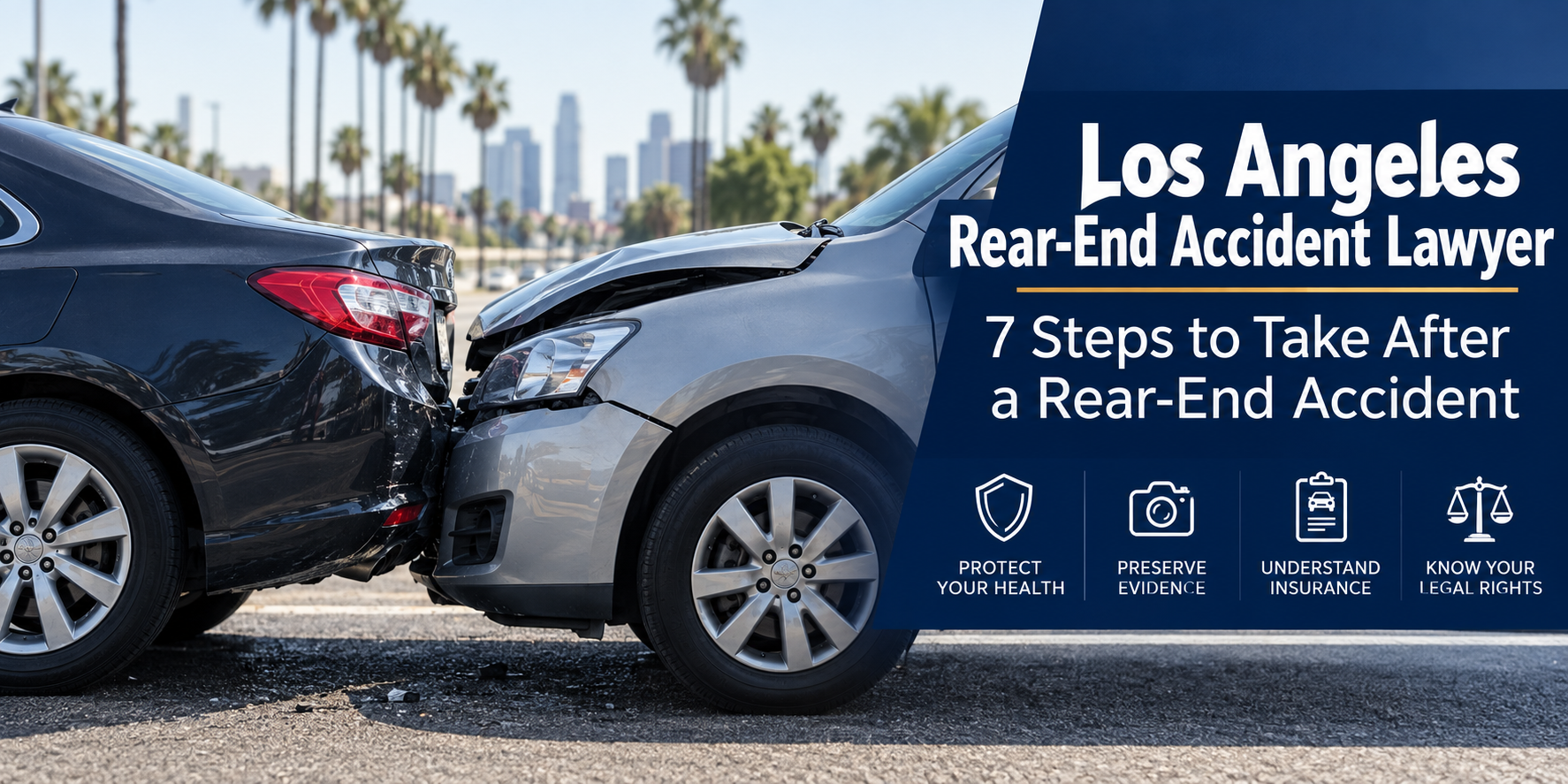
While every accident is different, the steps you take after a rear-end collision can have a significant impact on both your recovery and any future insurance or personal injury claim. Below are seven important steps that can help you protect your health, preserve valuable evidence, and avoid common mistakes after a rear-end accident.

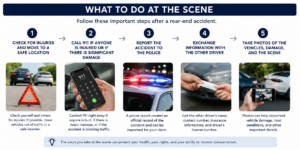
1. Make Safety Your First Priority
Immediately after the collision, check yourself and everyone else in your vehicle for injuries. If anyone appears seriously hurt—or if you’re unsure about the extent of their injuries—call 911 right away.
If your vehicle can be moved safely, move it out of active traffic to reduce the risk of another collision. If it isn’t safe to move the vehicle, turn on your hazard lights and wait in a safe location until emergency responders arrive.
Even if the accident seems minor, don’t let the condition of your vehicle determine whether someone may be injured. Some injuries take time to develop, so it’s always better to prioritize safety first.
2. Call the Police When Appropriate
Many people ask whether they need to call the police after a rear-end accident.
If someone has been injured, the crash involves a hit-and-run, or there is significant property damage, contacting law enforcement is generally a good idea. An officer who responds to the scene may prepare a traffic collision report that documents important details about the accident.
Even if an officer does not respond, you should still carefully document what happened and follow any reporting requirements that may apply under California law.
A police report isn’t the only evidence in a personal injury claim, but it can be an important piece of the overall picture.
3. Gather Evidence and Exchange Information Before You Leave the Scene
One of the biggest mistakes people make is assuming they’ll remember everything later.
Instead, use your phone to document as much as you safely can before leaving the scene.
Take photographs of the vehicle damage, license plates, the surrounding roadway, traffic signs, skid marks, debris, and anything else that may help show how the collision occurred. If you’re physically able, take a short video of the scene as well.
You should also exchange contact and insurance information with the other driver and, if anyone witnessed the accident, ask for their name and phone number before they leave.
Small details that seem unimportant immediately after the crash can become valuable later if there is a disagreement about what happened.
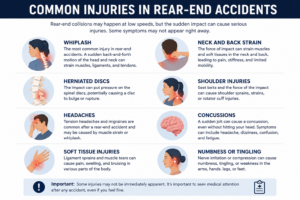
4. Don’t Ignore Pain Just Because You Feel Fine
It’s surprisingly common for people to walk away from a rear-end accident thinking they’re uninjured.
Then they wake up the next morning with neck pain, headaches, back pain, or stiffness.
That’s because adrenaline released during a traumatic event can temporarily mask pain and other symptoms.
If you begin experiencing discomfort after the accident, seek medical attention as soon as possible. Early evaluation can help identify injuries before they become more serious and creates medical documentation that may become important if you later pursue a personal injury claim.
Remember, the amount of damage to your vehicle doesn’t always reflect the severity of your injuries.
5. Speak With a Lawyer Before Discussing Your Injuries in Detail With the Insurance Company
Insurance companies often begin investigating a claim shortly after an accident, and it’s not unusual for an adjuster to contact you within a day or two.
While you should notify your own insurance company of the accident as required by your policy, it’s important to be thoughtful before providing a recorded statement to the other driver’s insurance company or discussing your injuries in detail.
In the hours or days immediately following a collision, you may not yet know the full extent of your injuries or have all of the facts surrounding the accident.
Speaking with a Los Angeles rear-end accident lawyer early in the process can help you understand your legal rights, avoid common mistakes, and make informed decisions about your next steps. An attorney can also explain the claims process, help preserve important evidence, and communicate with insurance companies on your behalf when appropriate.
6. Know What to Do if It’s a Hit-and-Run
A hit-and-run accident can leave you feeling shocked and frustrated, especially when the other driver leaves the scene before you have a chance to exchange information.
If this happens, your safety should remain the priority. Avoid pursuing the other driver if doing so could put you or anyone else in danger. However, if you can safely observe the vehicle as it leaves, try to remember or record as much information as possible, including the license plate number, the make and model, color, any distinguishing features, and the direction it was traveling.
If you have a passenger, they may be able to safely take a photo or video of the vehicle while you focus on driving. If your vehicle is equipped with a dashcam, save the footage as soon as possible.
Call the police promptly to report the hit-and-run, and if you noticed nearby businesses or homes with security cameras, let the investigating officer know. Surveillance footage may help identify the vehicle before it is overwritten.
Even if the driver is never identified, you may still have options depending on the facts of the accident and the insurance coverage available.
7. Avoid Common Mistakes After a Rear-End Accident
The first few days after an accident can be stressful, and it’s easy to make decisions without realizing how they might affect your claim later.
Some of the most common mistakes include waiting too long to seek medical care, failing to document the accident scene, assuming minor vehicle damage means there are no injuries, or discussing your injuries before you’ve been fully evaluated by a medical professional.
You don’t have to know all the answers immediately after an accident. Taking a careful, informed approach—and seeking guidance when needed—can make a meaningful difference as you move forward.
How Can a Los Angeles Rear-End Accident Lawyer Help?
After a rear-end accident, it’s not uncommon to feel like you’re being pulled in several different directions at once. You’re trying to recover from your injuries, arrange repairs for your vehicle, keep up with work and family responsibilities, and respond to calls from insurance companies—all while trying to understand what your rights are.
That’s where having an experienced Los Angeles rear-end accident lawyer can make a difference.
Every accident is unique, and the legal process often depends on the specific facts of the collision. An attorney can evaluate your situation, explain your legal options, and help you make informed decisions from the very beginning.
Depending on the circumstances of your case, a personal injury lawyer may be able to:
- Investigate how the accident occurred and preserve important evidence.
- Obtain police reports, photographs, witness statements, and other documentation.
- Communicate with insurance companies on your behalf.
- Evaluate available insurance coverage, including uninsured or underinsured motorist coverage when applicable.
- Work with your medical records and other evidence to understand how the accident has affected you.
- Pursue compensation for medical expenses, lost wages, property damage, pain and suffering, and other damages that may be recoverable under California law.
One of the biggest advantages of speaking with a lawyer early is having someone who can answer your questions before small mistakes become bigger problems. Whether you’re unsure about what to say to an insurance adjuster, wondering if you should accept a settlement offer, or simply trying to understand what comes next, getting reliable legal guidance can provide clarity during an already stressful time.
At Cha Cha Cha Law, we understand that no two rear-end accidents are exactly alike. Our team takes the time to listen to your story, answer your questions, and explain your options so you can make the decisions that are right for you and your family.
Frequently Asked Questions
1. Is the rear driver always at fault in a California rear-end accident?
Not always. In many rear-end accidents, the driver of the vehicle behind is generally presumed to be at fault because California drivers are expected to maintain a safe following distance and pay attention to traffic conditions. However, every collision is different. There are situations where fault may be shared or disputed, such as when a driver suddenly reverses, makes an unsafe lane change, or multiple vehicles are involved in a chain-reaction crash. California follows a pure comparative negligence system, meaning more than one person can share responsibility for an accident. If liability is disputed, evidence such as police reports, witness statements, photographs, dashcam footage, and surveillance video may all help determine how the collision occurred.
2. Should I call a lawyer before speaking with the insurance company?
After a rear-end accident, it’s common for insurance companies to begin investigating the claim quickly. While you should notify your own insurance company of the accident as required by your policy, it’s often helpful to speak with a personal injury lawyer before providing a recorded statement to the other driver’s insurance company or discussing your injuries in detail. Immediately after a crash, you may not yet know the full extent of your injuries or have all the facts surrounding the accident. Speaking with a lawyer early can help you understand your legal rights, avoid common mistakes, and make informed decisions throughout the claims process.
3. What if I don’t feel injured until the next day?
This is more common than many people realize. After a rear-end collision, your body may release adrenaline and other stress hormones that temporarily mask pain. It’s not unusual for symptoms such as neck pain, back pain, headaches, shoulder pain, or stiffness to appear hours or even days later. If you begin experiencing discomfort after the accident, seek medical attention as soon as possible. Prompt medical evaluation can help identify injuries early and create documentation connecting those injuries to the collision.
4. What should I do if the driver who hit me leaves the scene?
A hit-and-run accident can be frightening, but your safety should come first. Avoid pursuing the other driver if doing so could put you or anyone else at risk. If you can safely observe the vehicle as it leaves, try to note the license plate number—even a partial plate may help—as well as the make, model, color, distinguishing features, and direction of travel. Call the police as soon as possible to report the accident, preserve any dashcam footage, and take photographs of the scene and your vehicle. Depending on your insurance coverage and the facts of the accident, you may still have options even if the other driver is never identified.
5. Should I accept the insurance company’s first settlement offer?
Every case is different, but it’s important to understand what you’re agreeing to before accepting a settlement. Insurance companies sometimes make settlement offers before the full extent of an injured person’s medical condition is known. Accepting a settlement too early may limit your ability to seek additional compensation later, depending on the terms of the agreement. Before accepting an offer, make sure you understand your injuries, your medical treatment plan, and your legal options. If you have questions, speaking with a personal injury lawyer can help you make an informed decision.
6. When should I contact a Los Angeles rear-end accident lawyer?
If you’ve been injured, the insurance company is disputing fault, the other driver was uninsured or fled the scene, or you’re simply unsure about your rights, it may be beneficial to speak with a lawyer sooner rather than later. An attorney can review the facts of your accident, explain the claims process, help preserve important evidence, and answer your questions before you make decisions that could affect your case. Many people find that having experienced legal guidance allows them to focus on their recovery while someone else helps navigate the legal process.
Contact a Los Angeles Rear-End Accident Lawyer Today
If you’ve been injured in a rear-end accident, you don’t have to navigate the aftermath alone. Between medical appointments, vehicle repairs, insurance adjusters, and questions about your legal rights, it’s easy to feel overwhelmed.
At Cha Cha Cha Law, we’re here to help you understand your options and guide you through the personal injury claims process. Whether you’re dealing with delayed injuries, a hit-and-run accident, or an insurance company that isn’t treating you fairly, our team is ready to answer your questions and provide straightforward legal guidance.
We offer free consultations, so you can discuss your situation with our team, ask questions, and better understand your legal options before deciding how you’d like to move forward.
If you or a loved one has been injured in a rear-end accident anywhere in Los Angeles or Southern California, contact Cha Cha Cha Law today to discuss your case with an experienced personal injury attorney.
Call us at (213) 351-3513 or contact us online for a free consultation.